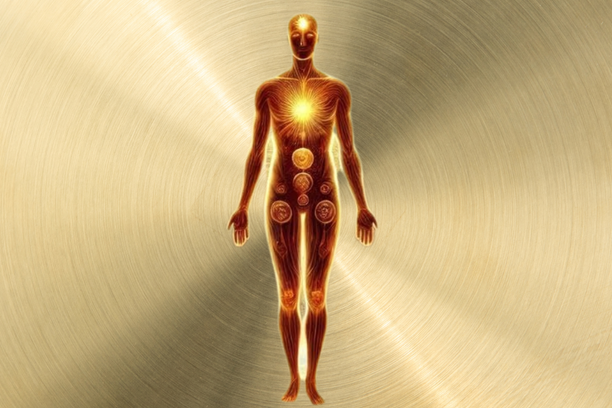
Gross Body
You are born in a human form based on the collective good deeds of your past lives. The gross body is formed from the five great elements after they have undergone a process of pentamerous self-division and mutual combination known…

You are born in a human form based on the collective good deeds of your past lives. The gross body is formed from the five great elements after they have undergone a process of pentamerous self-division and mutual combination known…
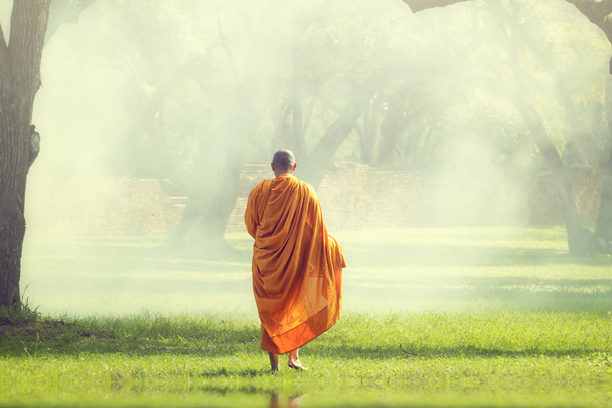
Renunciation mainly refers to a mental state of detachment in which one rises above worldly temptations. This maturity stems from a foundation in higher values. Practising renunciation as a lifestyle is recommended only for those willing to observe strict austerities.…
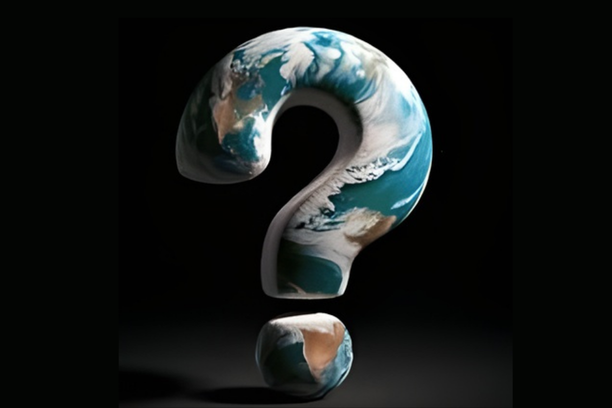
Vedanta encourages you to approach God, postulated as the origin of the universe, much like an arithmetic student solving for the unknown ‘X’ in a problem. Education should move from the known to the unknown through established principles. The process…

Verse 11 discusses Upadhi, which is a limiting adjunct associated with or added to something else, creating an appearance of limitation or modification that does not exist in reality. The gross, subtle, and causal bodies are the Upadhis that seem…

Feel God’s benevolence as the Ordainer. An unseen Force systematically sets the laws that govern the microcosm and macrocosm with perfect precision. Therefore, you only need to follow the law of causation and stop worrying about everything else in life,…
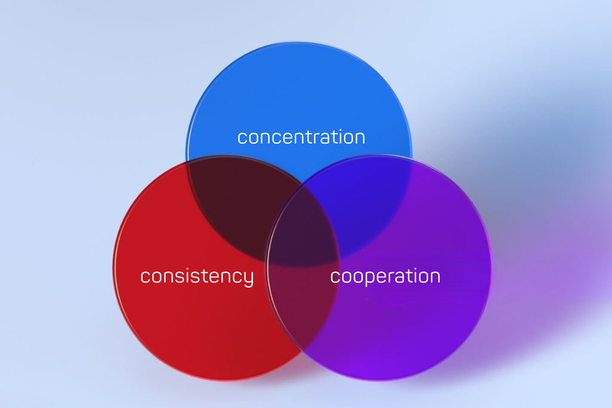
Vedanta prescribes the 3 ‘C’s as a formula for success in any field: concentration, consistency, and cooperation. Concentration is practised when the intellect guides the mind in any chosen action. Consistency is the ability to direct all actions toward the…
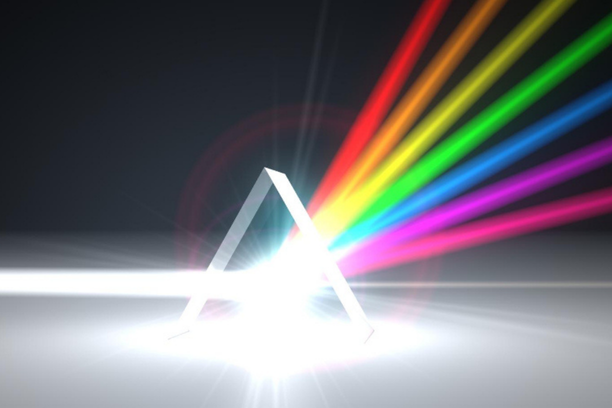
Gold is the substratum on which ornaments are superimposed. Gold alone manifests as various ornaments. The ignorant tend to overlook the substratum as they focus on names and forms. Similarly, the world is simply a superimposition on the eternal, all-pervading…
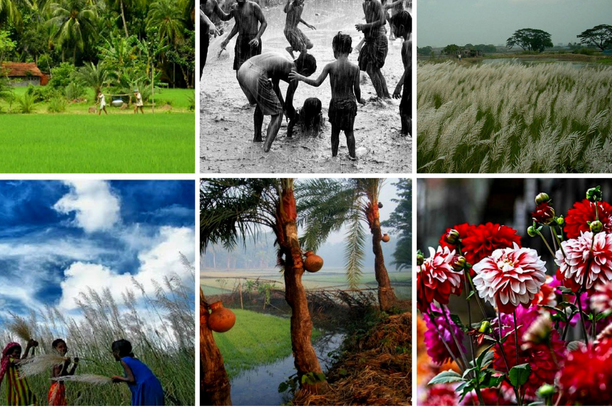
Primary identification of an individual is with his physical body. He also considers wealth and beings as his possessions. He acts with vanity over his youth, accumulated wealth and retinue. However, these are susceptible to being lost in a jiffy.…

Two types of causes are essential for any creation: the material cause and the efficient cause. In the case of a pot, clay is the material cause, and the potter is the efficient cause. If both causes are the same,…
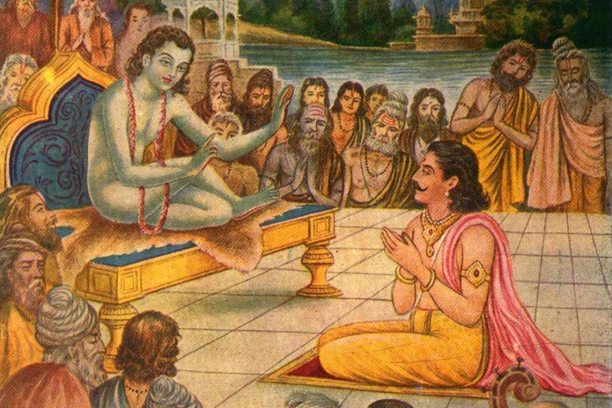
Traffic between an individual and the world involves receiving stimuli, having mental reactions and responding to the world. The regulation of these processes begins with Satsang, which means the company of good people. In a broader sense, Satsang encompasses good…
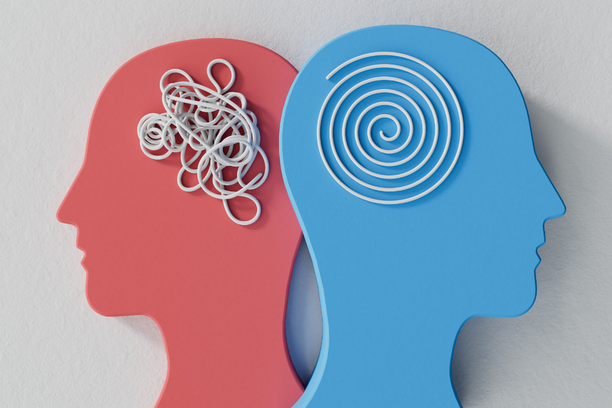
The survival and stable state of mind of plants and animals entirely depend on the world. A human being, however, is inherently designed to be independent of the world. Self-sufficiency in a human and his dependence on the world are…

Samsara is a term often used to describe one’s family or the world. Essentially, it refers to the terrestrial entanglement to which one mentally binds oneself. Although it is captivating initially, it becomes difficult to free oneself later. It even…